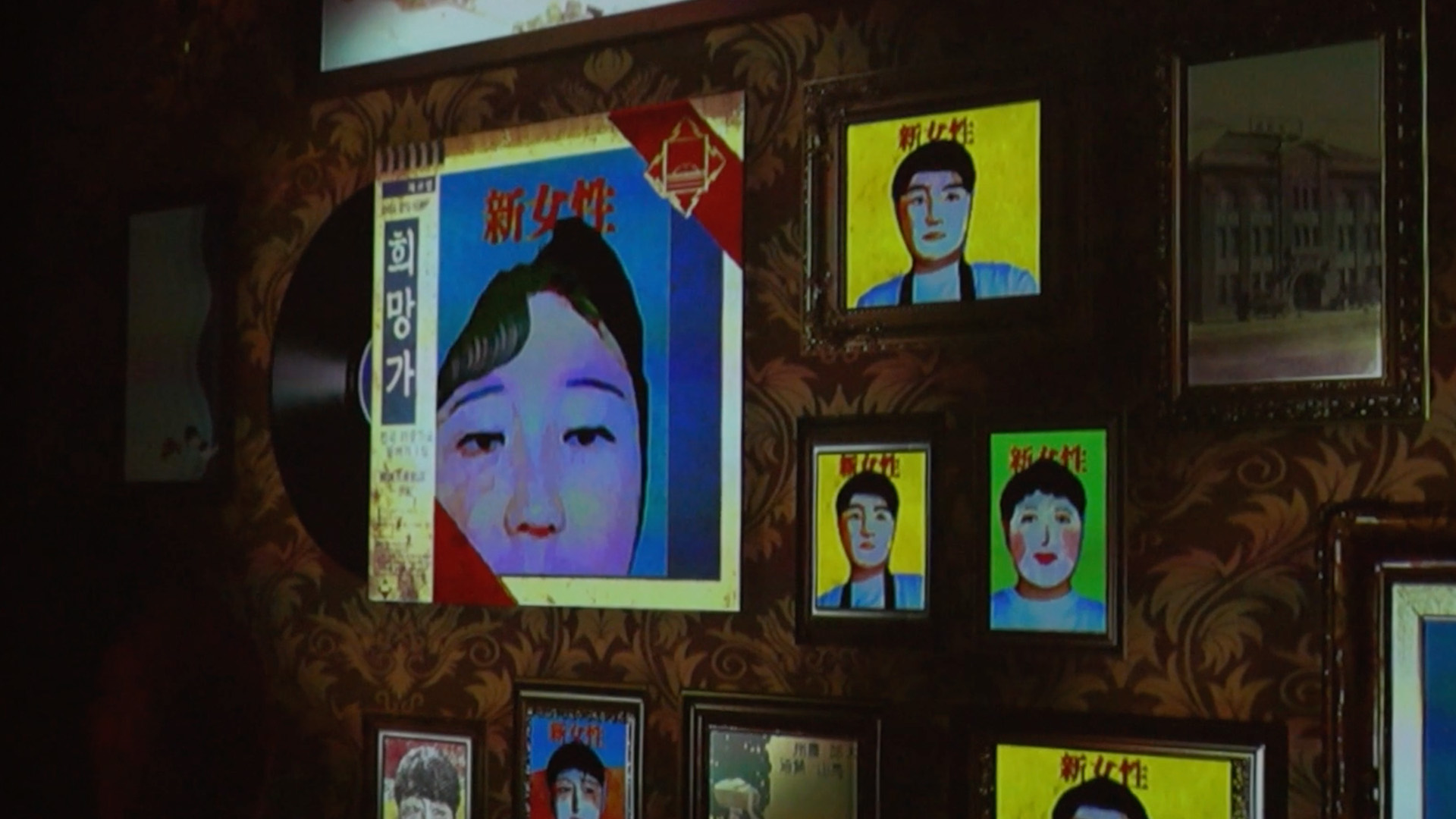
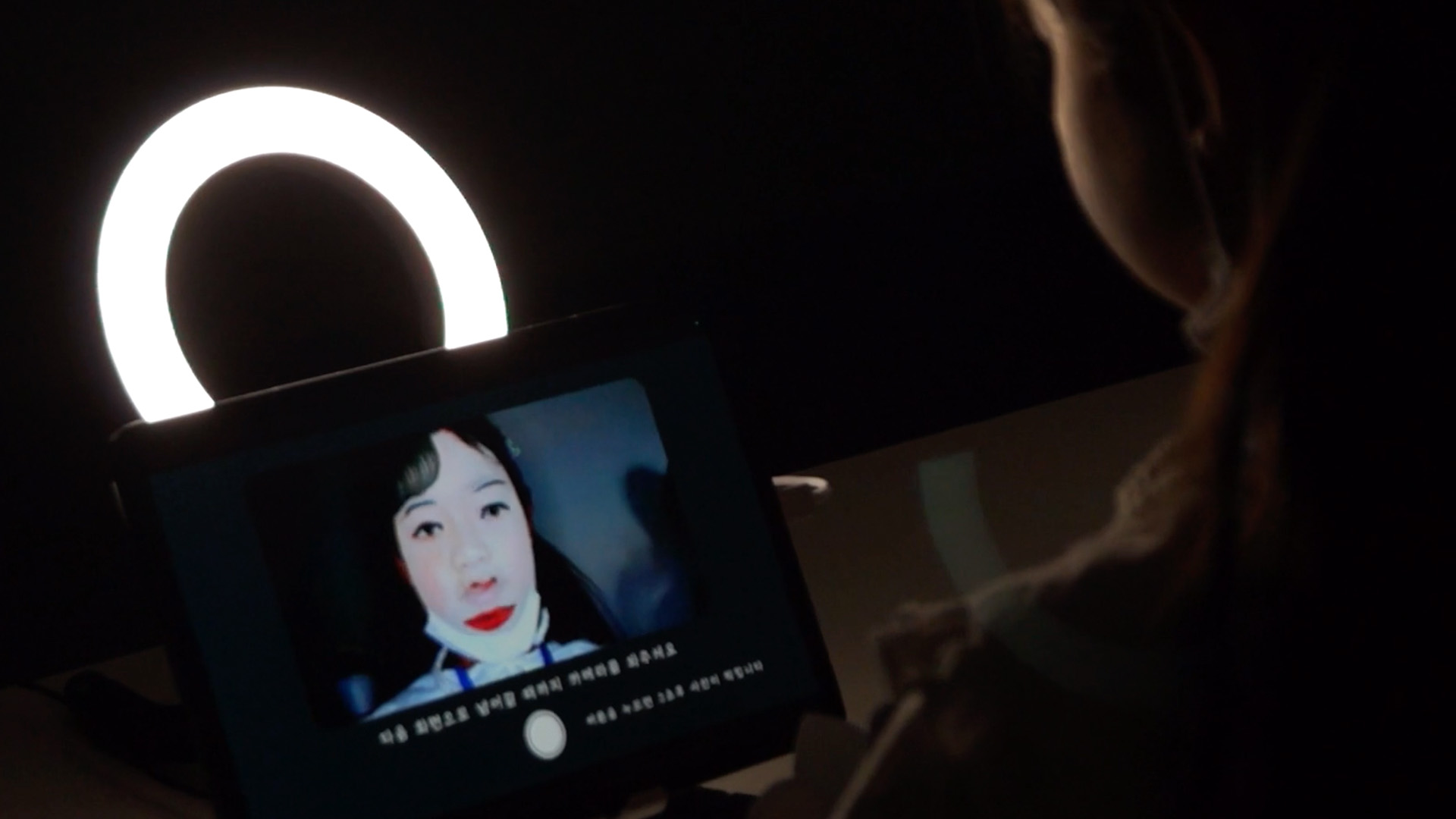
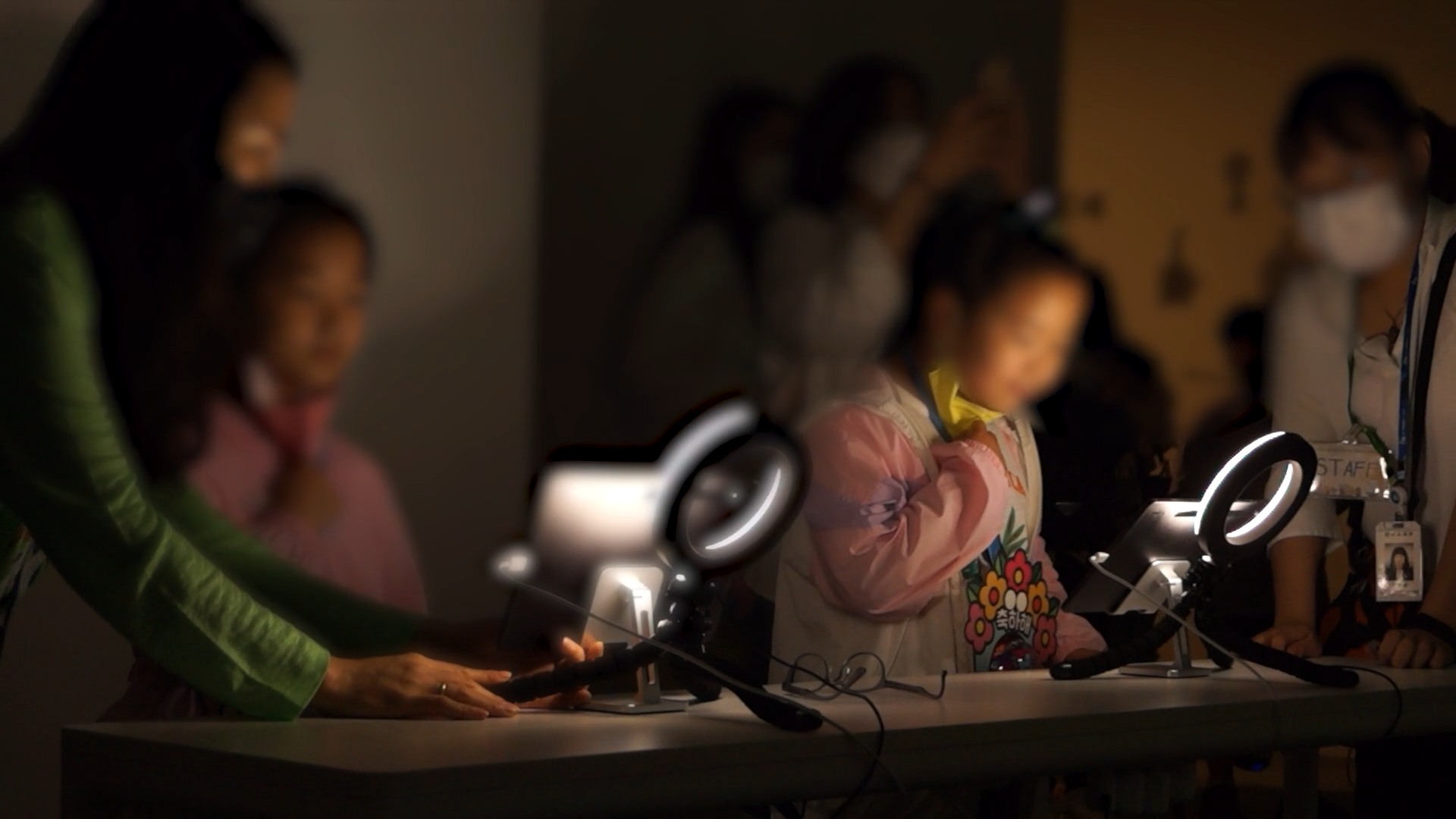
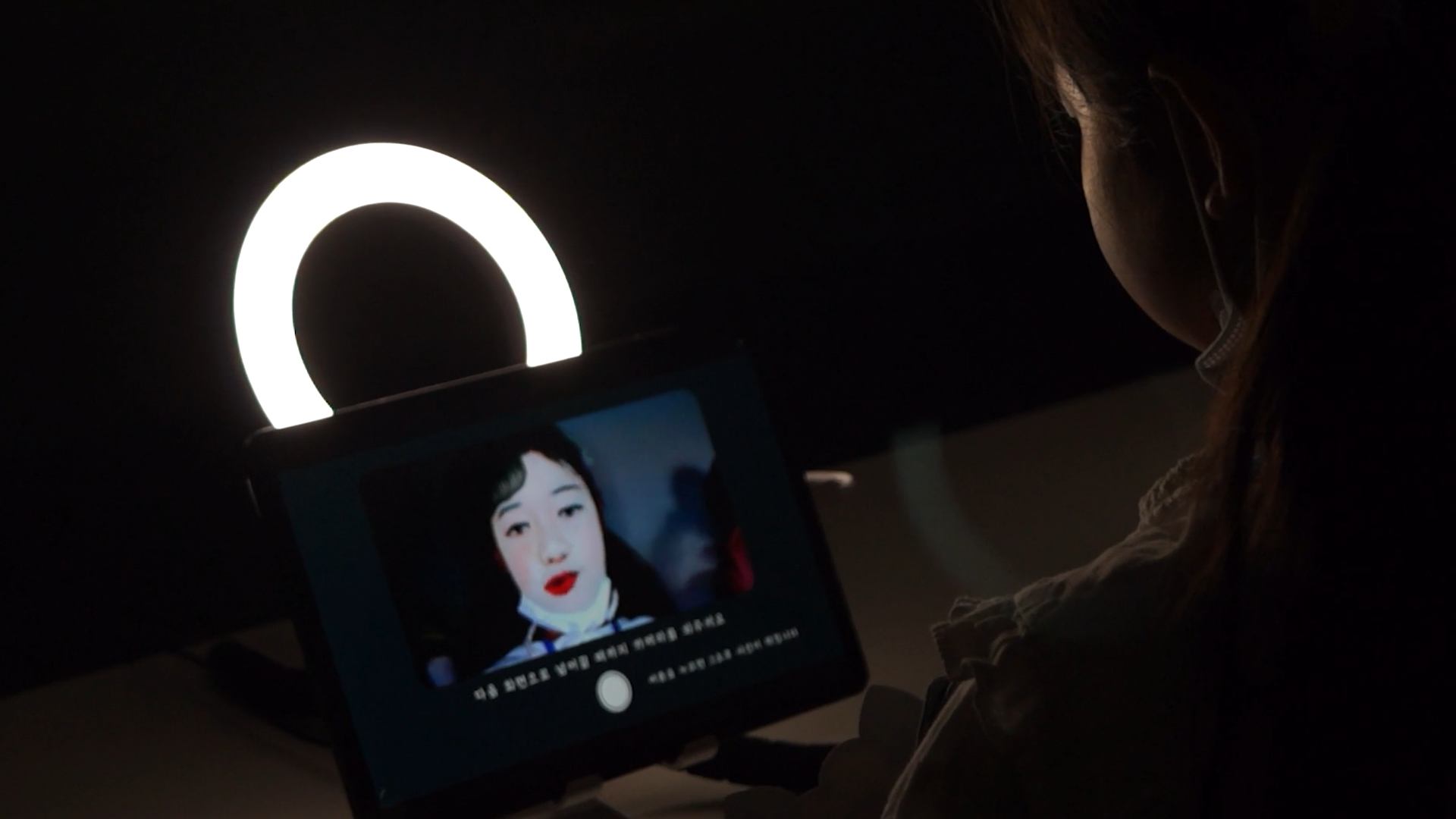
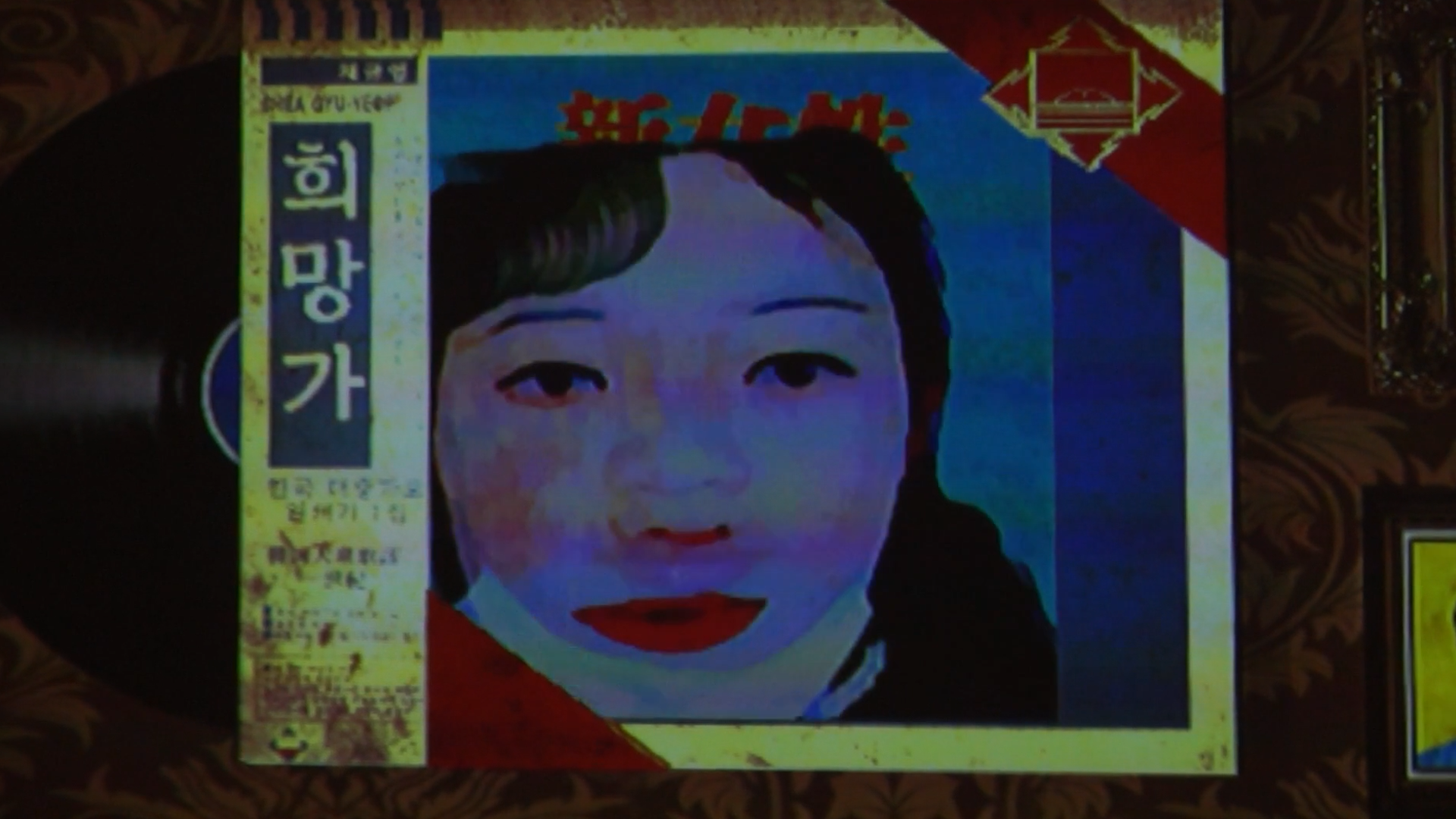
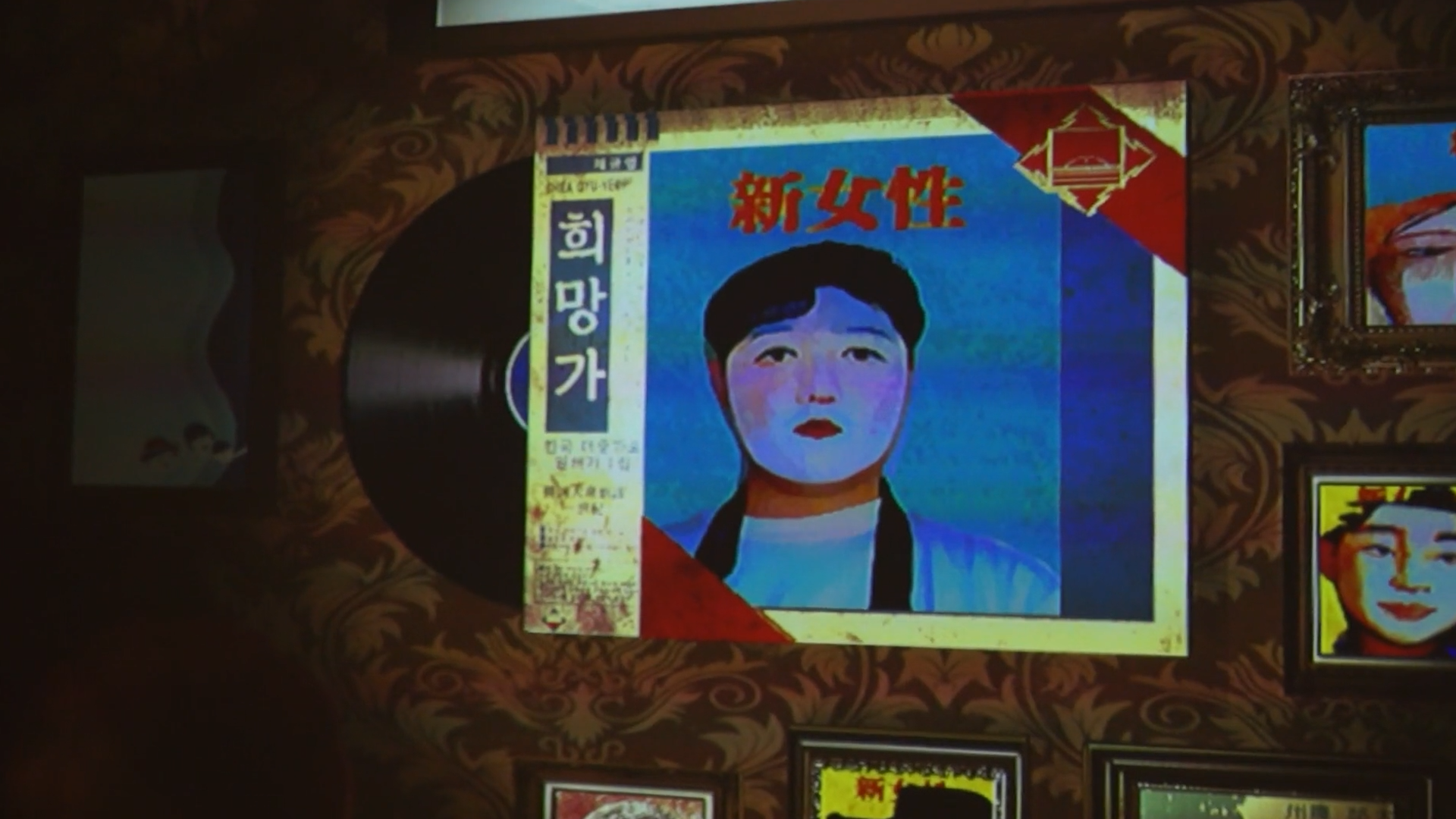
Jemulpo Photo Studio is an interactive media installation that reimagines the aesthetics of early Korean "New Women" (Shin Yeosung) magazine culture from the colonial era. Visitors' portraits are captured in real time and transformed through AI-based face swapping and neural style transfer, producing reinterpreted covers that blend modern identity with early 20th-century visual modernity.
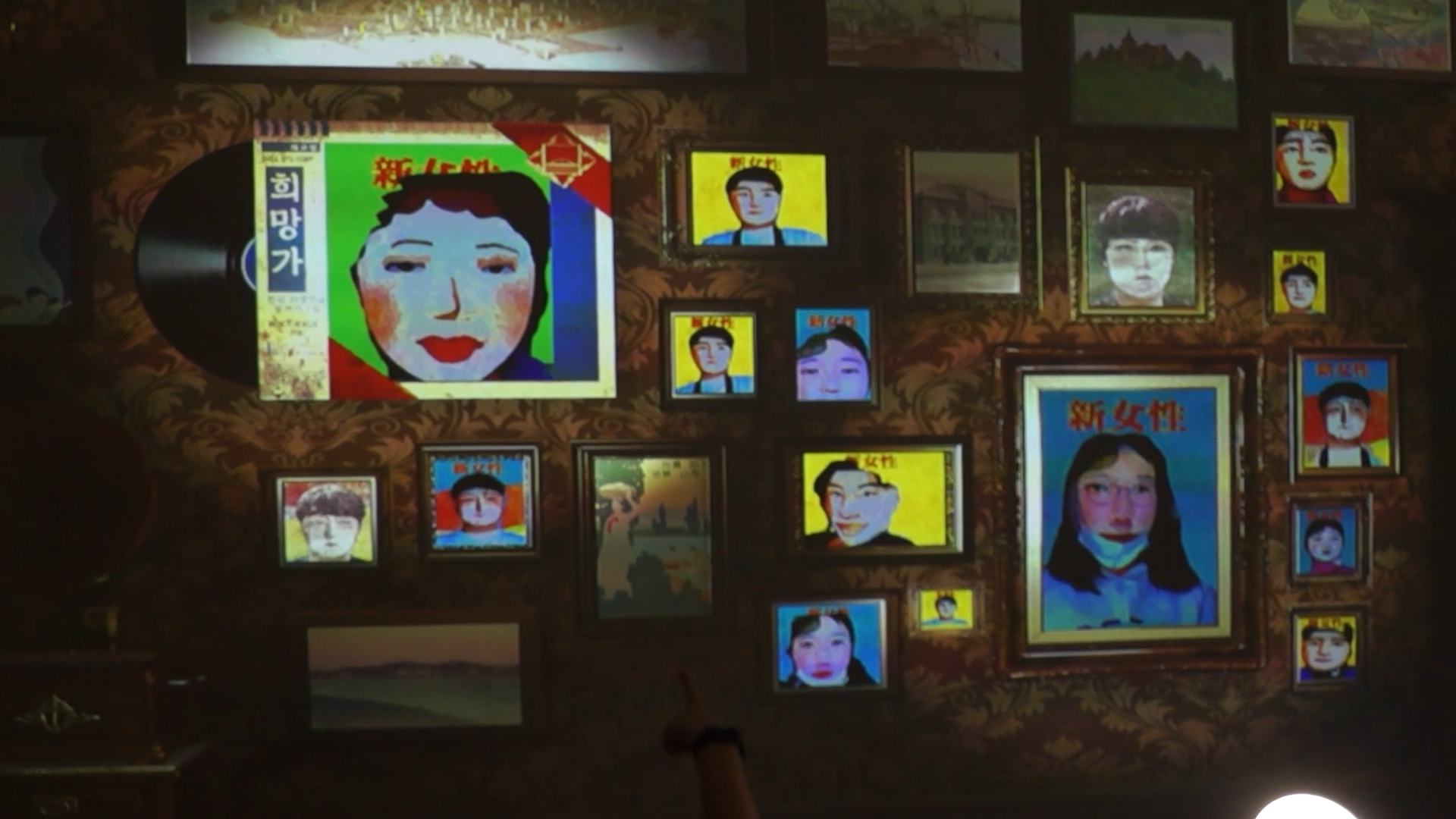
Each portrait — stylized in the vibrant, liberated tone of Jemulpo's early photo studios — is automatically framed, displayed, and archived in real time on a virtual wall, turning the gallery into a living archive of self-modernization and historical reinterpretation.
This project investigates how historical aesthetics can be reactivated through AI and real-time media art, creating a space where visitors can temporarily inhabit a reimagined past.
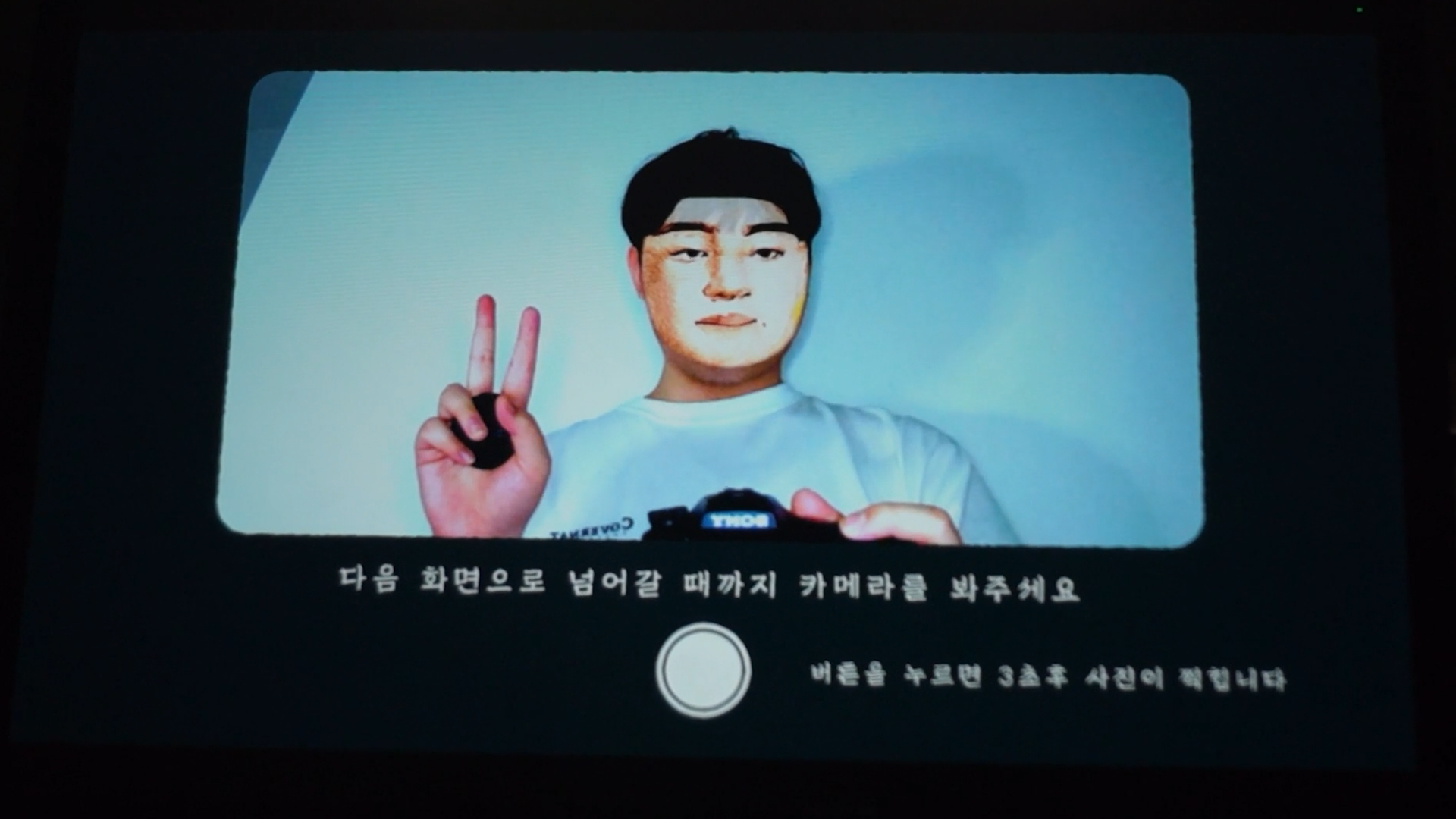
Real-time facial detection using OpenCV DNN models integrated in Unity. Detection region extended to include hair and head area via post-processing on facial landmarks, ensuring style transformation affects the full portrait.
Custom face-swap system merging visitor features with pre-designed 1920s "New Women" portrait references. Style filters layered through custom shader-based watercolor and pointillist noise blending, referencing early magazine printing textures.
Unity Barracuda-based person segmentation separates subjects from background. Backdrop replaced with vintage magazine-style layouts dynamically mapped to color palettes extracted from 1920s Korean publications.
Generated portraits sent via TCP connection to an external display wall, appearing in a looping slideshow simulating a virtual photo gallery. All portraits auto-saved in timestamped folders for archival and curatorial review.
The live archiving process reflects on photography's role as both documentation and performance — turning spectators into participants of a digitally reconstructed modern history, exploring the interplay between gender, modernization, and visual media.